Social Protection and Rural Development Committee Calls for Increased LEADER Funding and Simpler Access for Rural Communities
Jul 16, 2026
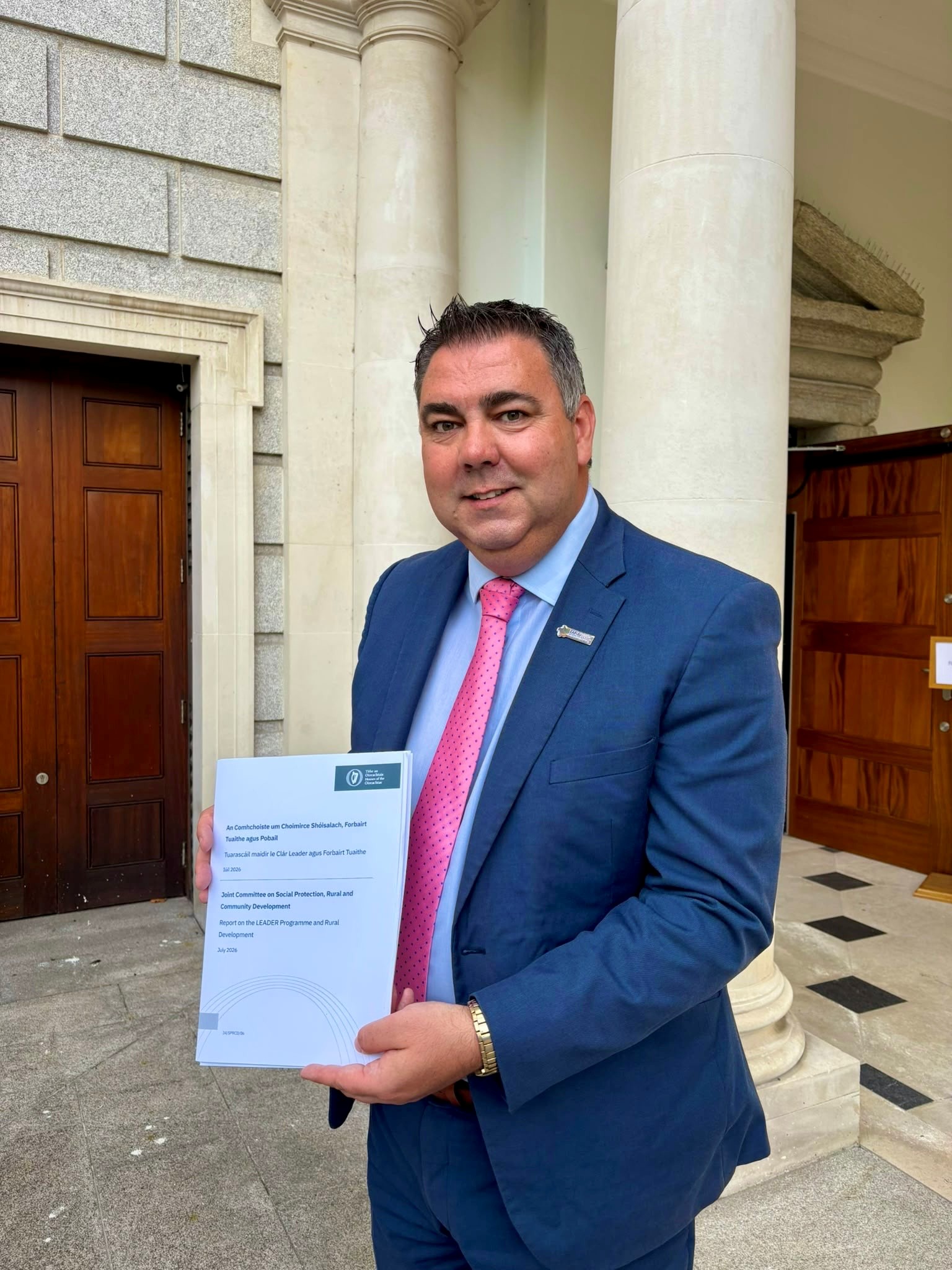
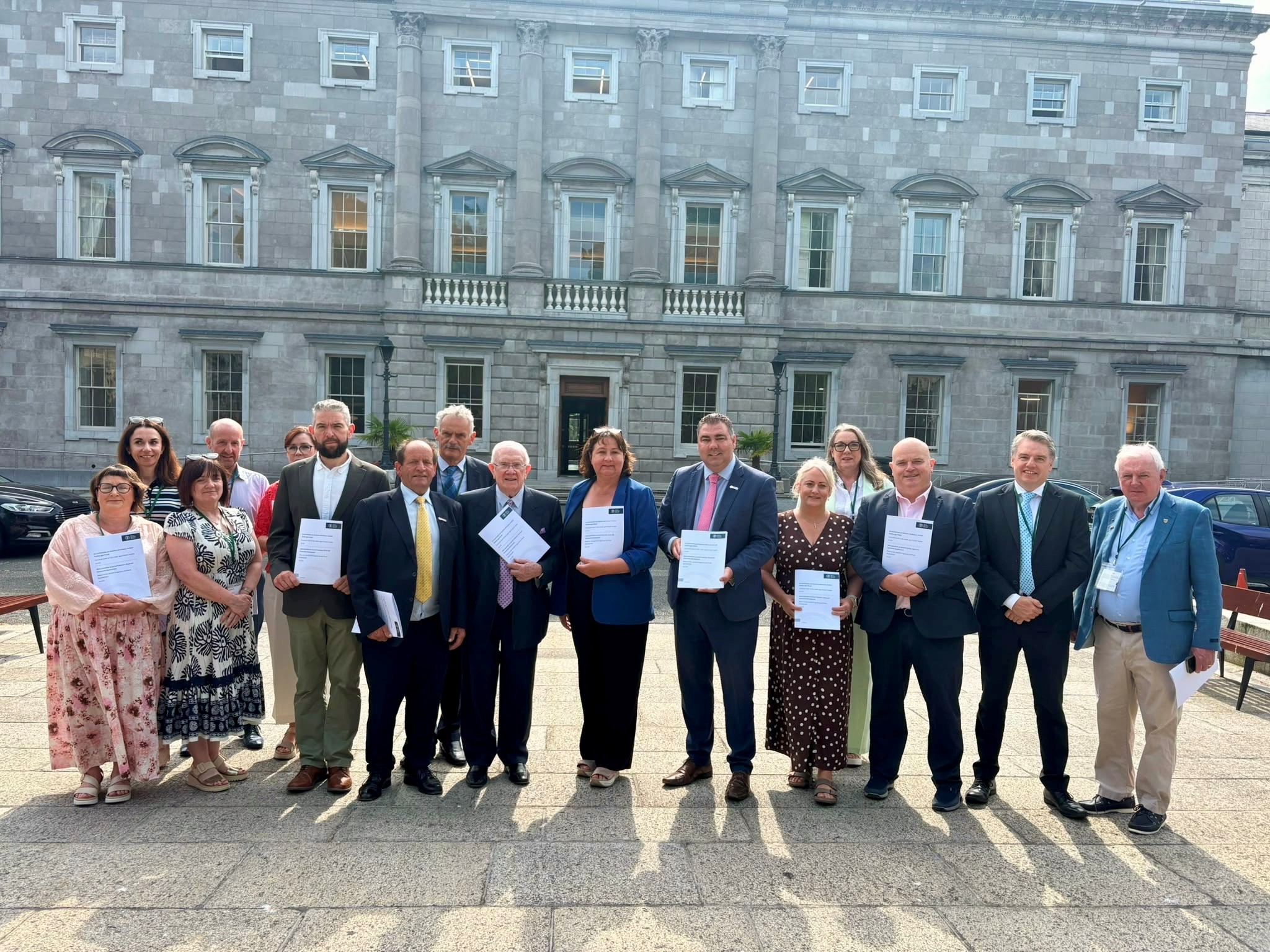
The Joint Committee on Social Protection, Rural and Community Development has today, Thursday July 16th, published its Report on the LEADER Programme and Rural Development, calling for increased funding, reduced bureaucracy and enhanced Government support to ensure the long-term future of the LEADER programme.
Speaking on the launch of the report, Committee Cathaoirleach Deputy John Paul O’Shea said:
“LEADER has transformed rural communities over the past 35 years by empowering local people to identify and deliver projects that meet their own needs. However, the programme’s future success depends on protecting its community-led approach, securing long-term funding and making it easier for communities to access support.”
“The evidence before the Committee has clearly demonstrated the importance and benefits that have resulted from LEADER. The community-led bottom-up approach is a key element and has facilitated local communities to identify and implement programmes that meet the real needs of communities.”
“LEADER represents the epitome of collaboration and bringing Europe to people’s everyday lives. As discussions continue on the next programme, our recommendations are aimed at ensuring this successful model remains properly funded, community-led and capable of delivering even greater benefits for rural Ireland.”
The report contains 40 recommendations aimed at strengthening LEADER’s strategic role in rural development, providing greater funding certainty, simplifying administrative processes and improving access to funding for communities across Ireland.
The Committee’s key recommendations include:
• Ensure the community-led local development model remains at the heart of LEADER, with local stakeholders retaining decision-making authority.
• Secure a ring-fenced allocation for LEADER funding within both national budgets and the Common Agricultural Policy (CAP).
• Increase funding for the next programme cycle to reflect inflation, rising project costs and growing demand.
• Intensify Government engagement at EU level to protect and increase LEADER funding within the CAP framework.
• Simplify the LEADER application and approval process by reducing unnecessary administrative requirements.
• Introduce greater flexibility in match-funding requirements, particularly for smaller and disadvantaged community groups.
• Allow communities greater flexibility to deliver projects in phases, enabling projects to progress in line with available resources.
• Provide enhanced grant aid rates or targeted supports for disadvantaged and remote rural communities.
The Committee’s report follows a series of public engagements with representatives from the Department of Rural and Community Development and the Gaeltacht, Pobal, Local Action Groups and Local Development Companies, examining the programme’s achievements, the challenges facing delivery and opportunities to strengthen LEADER ahead of the next EU funding cycle.