O’Shea Welcomes New Fuel Support Package Delivering Relief for Households and Key Sectors
Apr 12, 2026
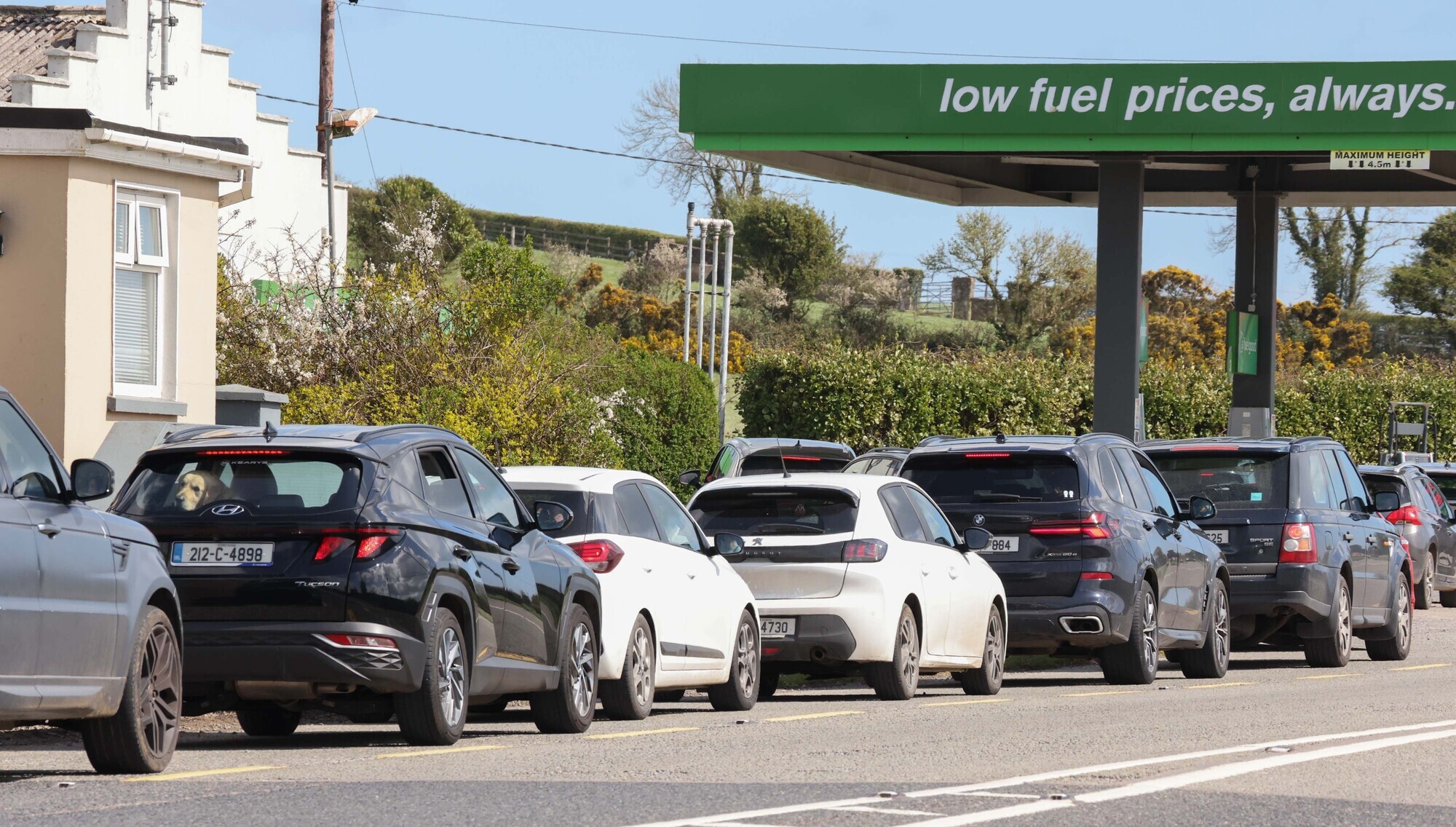
Cork North West Fine Gael TD John Paul O’Shea has tonight welcomed the Government’s announcement of a comprehensive new package of fuel support measures aimed at easing the financial burden on households, farmers, hauliers, fishers and businesses across the country.
The package comes in addition to €250 million already allocated in targeted supports and follows extensive engagement with industry representatives.
Deputy O’Shea said the measures reflect the Government’s commitment to remaining responsive in the face of ongoing global instability.
“Only last month, Government made it clear that we would keep our powder dry, keep all options on the table, and remain agile in responding to the evolving situation. This latest package shows that commitment in action,” Deputy O’Shea said.
“The reality is that many individuals, families and businesses are continuing to feel the pressure of high fuel costs. These measures represent an appropriate and balanced response, ensuring that support is provided to those who need it most.”
Key Measures Announced
Deputy O’Shea outlined the specific supports included in the package:
-
A further reduction in excise on diesel by 10 cent (VAT inclusive), bringing the total reduction to 32 cent per litre
-
A further reduction in excise on petrol by 10 cent (VAT inclusive), bringing the total reduction to 27 cent per litre
-
A further reduction in excise on marked gas oil (green diesel) by 2.4 cent (VAT inclusive), bringing the total reduction to 7.4 cent per litre
-
These reductions include the previously announced NORA levy reduction
-
The planned increase in carbon tax, due on May 1st, will now be deferred until Budget 2027
“These reductions will be felt immediately by motorists, families and businesses when they fill their tanks, which is critically important at a time when every euro counts,” Deputy O’Shea said.
The excise reductions will take effect from midnight on Tuesday, 14th April 2026 and will remain in place until 31st July 2026.
Support for the Transport Sector
Deputy O’Shea also welcomed the introduction of a new Road Transporters Support Scheme (RTSS), designed to assist the haulage and coach sector.
“This scheme is about practical, targeted assistance. It recognises the vital role played by hauliers and transport operators in keeping our economy moving,” he said.
The RTSS will:
-
Provide direct payments to haulage and coach operators
-
Be backdated to March 2026
-
Run for an initial three-month period
-
Offer proportionately higher supports to smaller operators
-
Provide additional payments for April and May where diesel prices exceed €1.90 per litre
-
Additional supports will also be provided to coach operators delivering Local Link and school transport services.
The combined cost of these transport supports is estimated at €40 million per month.
€100 Million Support for Agriculture, Fisheries and Rural Sectors
Deputy O’Shea highlighted the importance of the €100 million Fuel Subsidy Support Scheme for farmers, contractors and fishers.
“This is a significant and very welcome intervention for our agricultural and marine sectors, who have been particularly hard hit by soaring fuel costs,” he said.
The scheme will:
-
Provide €20 million per month from March to July 2026
-
Base payments on fuel usage from the previous year to ensure fairness
-
Support farmers, agricultural contractors and fishers during peak working months
-
Allocate up to €5 million per month for fishers, forestry and specialist horticulture sectors
“This support is crucial given the dramatic rise in the cost of green diesel, which has nearly doubled in recent months. It ensures that those at the heart of our food production economy can continue to operate sustainably.”
Deputy O’Shea concluded by stressing the importance of continued vigilance.
“While this package is very welcome, it is important that Government continues to monitor the situation closely and remains ready to act again if necessary. Supporting households, rural communities and businesses through this period of uncertainty must remain a top priority.”


